
Human beings need connection. More and more, researchers are finding that connection with others is essential to our well-being and survival. It is so essential that we are biologically wired to seek it out. This drive toward connection goes deeper than simply feeling better when around others. Being connected with another person literally produces physiological and psychological changes in our bodies and minds that not only promote feelings of safety but can also be instrumental in processing trauma and regulating emotions.
Understanding Stress and the Nervous System
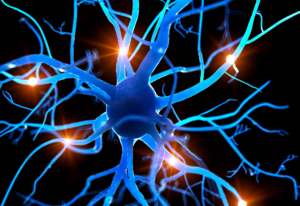 Before we dive into how connection provides essential tools to support regulation, it’s important that we first understand how the body responds when experiencing stress. When we perceive stress, our body activates a primal cascade in our autonomic nervous system, resulting in what we commonly refer to as the “fight or flight” response, as well as the less commonly known “freeze” response. After the perceived threat has been dealt with, our nervous system slowly returns to a state of calm, known as “rest and digest.”
Steven Porges’ Polyvagal Theory introduces an added layer of complexity to the stress response. This theory emphasizes the importance of the vagus nerve, which oversees many different essential functions in the body, such as moderating heart rate, regulating organ function, and influencing facial expressions and vocal communication. The vagus nerve also plays an important role in the functioning of our autonomic nervous system, regulating the transition between activation and calm: between fight or flight and rest and digest.
One of the branches of the vagus nerve, the ventral vagal nerve, also controls what is known as the social engagement system. The social engagement system drives and promotes social behaviors and connection.
Our nervous system is constantly scanning for cues of threat and safety. When it perceives a threat, it prepares the body for action, activating the stress response of fight, flight, or freeze. When it perceives safety, we experience a state of relaxation and an increased willingness for socialization, as well as physiological changes such as a decreased heart rate. In Polyvagal Theory, cues of safety activate our social engagement system and produce what is known as increased vagal tone. In this state, we are primed to recover from stress and are better able to respond adaptively to new situations.
Co-Regulation
The concept of co-regulation refers to the way individuals mutually adjust their emotional and physiological states through interaction. Positive social interactions with others naturally produce cues of safety that encourage activation of our social engagement system, which then promotes a sense of calm and regulation.
Our nervous systems have literally evolved to seek out social connection as a means of regulating ourselves during times of stress. The comforting presence of another person, a warm smile, or the simple feeling of being listened to and understood produces a profound effect on our ability to cope and regulate our emotions during times of stress. The majority of these interactions are processed at an unconscious level, but the positive outcomes of connection are consciously felt. Co-regulation and positive social interactions promote enhanced mood, reduced stress levels and blood pressure, improved immune system function, and a lower risk of chronic illnesses. The more we experience positive social interactions, the more our vagal tone increases, resulting in improved emotional resilience and overall health.
The benefits of co-regulation highlight the fact that well-being and healing aren’t solitary processes, but instead are promoted and sustained through connection and empathy. In a world that is increasingly fractured and disconnected, it is important to find those moments of connection and nourish experiences of community and social engagement, as these experiences not only increase resilience but also promote overall wellness.
A Note on Trauma and Healing
When trauma occurs, our bodies activate in the same general manner as with any stressor. However, traumatic experiences overwhelm our nervous system’s defenses, resulting in our becoming stuck in a state of activation (fight or flight) or disconnection and dissociation (freeze). While these stress responses are vital for survival, ongoing activation of these systems is generally not sustainable in the long term, resulting in dysregulation and symptoms commonly associated with trauma. According to Polyvagal Theory, traumatic experiences also impair our social engagement systems and diminish our ability to sense and interpret social engagement cues correctly. Experiences of trauma reset our nervous systems, and we come to expect danger. This can manifest as hypervigilance and always feeling on edge, or as feeling numb and dissociated from our environment or sense of self.
Trauma disrupts our natural inclination toward co-regulation. However, healing can also come from renewing that sense of connection in a gentle and safe way. Through sensitive, responsive, and caring social interactions, traumatized individuals can slowly reshape their nervous systems toward increased resilience, emotional regulation, and trust.
Therapy can provide the container to begin this process of healing. For individuals seeking trauma therapy in Kansas City, a therapeutic relationship can offer an important starting point. Therapists are trained to provide unconditional positive regard toward their clients, offering consistent and reliable cues of safety and co-regulation without judgment. A nurturing and supportive therapeutic relationship provides a prototype for slowly re-engaging the social engagement system without the need to reciprocate or feel responsible for another person. In this way, the therapist provides co-regulation, offering regulating energy without any expectation. Connection and community, through therapy or other means of safe social connection, support trauma recovery by rebuilding that sense of safety and slowly shifting the physiological response away from stress and toward regulation and relief.
Finding a community-driven therapy practice can be your first step toward healing. At Heartland Therapy Connection, we specialize in trauma recovery, and our deep commitment to connection and community informs every part of our mission and approach to client care. As a trauma therapy practice in Kansas City, we understand the importance of creating a safe, supportive environment where healing can happen at your own pace. We would be honored to walk alongside you on your journey toward healing.