If you’ve ever gone through something painful that changed the way you move through the world, you know how hard it can be to feel safe again. Sometimes the danger has long passed — yet your body and mind still act like it’s happening right now. Loud noises make your heart race. Certain smells or places bring back waves of fear or sadness. You might even find yourself avoiding situations that used to feel easy.
If you’ve searched for therapy near me because you’re tired of living in constant alert, you’re not alone. Many people come to therapy feeling confused about why they “can’t just move on” from what happened. The truth is, trauma can rewire how our brain and body respond to the world. Healing isn’t about forgetting — it’s about helping your nervous system understand that you’re safe now.
That’s where EMDR therapy can help.
When Safety Feels Out of Reach
After trauma, your body be comes exceptionally good at scanning for danger. You might notice that you’re jumpy, anxious, or easily overwhelmed. Some people describe it as living “on edge,” while others feel the opposite — numb, detached, or disconnected from themselves and others.
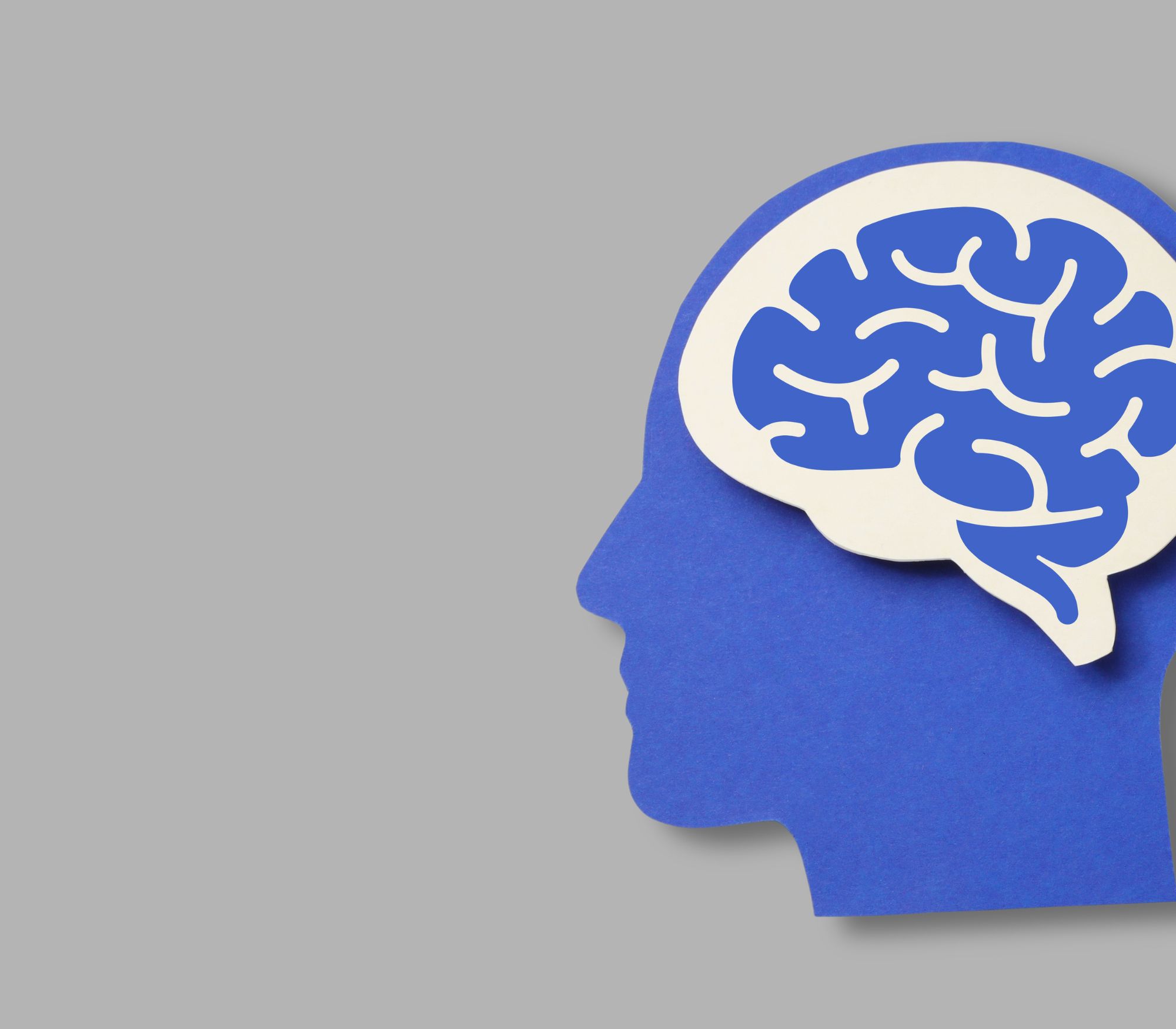
These are normal trauma responses. Your brain’s alarm system (the amygdala) stays stuck in overdrive, while the part of your brain that helps you reason and self-soothe (the prefrontal cortex) struggles to take over. That’s why logic — “I know I’m fine” — doesn’t always calm you down.
You’re not broken. Your body is just doing its best to keep you safe, even if it’s working overtime.
What EMDR Therapy Does
EMDR, which stands for Eye Movement Desensitization and Reprocessing, helps your brain finish what trauma interrupted — the natural process of making sense of what happened and storing it in a way that no longer feels threatening.
In EMDR, you don’t have to retell every detail of what happened. Instead, your therapist helps you access the memory in a safe, contained way, while engaging both sides of the brain through gentle eye movements, tapping, or tones. Over time, the distress connected to the memory lessens, and your body starts to believe what your mind already knows: the danger is over.
Clients often describe a sense of relief — not because the memory disappears, but because it no longer controls them.
What Healing Starts to Feel Like
Healing from trauma is about more than “feeling better.” It’s about feeling safe enough to live your life again. EMDR helps people reconnect with parts of themselves that went into hiding — joy, curiosity, trust, or hope.
You might start to notice:
- You can breathe more deeply, or your body feels less tense.
- You’re not as reactive to stress or triggers.
- Relationships feel a little easier or more connected.
- You can think about the past without being pulled back into it.
These shifts often happen gradually, and that’s okay. Healing doesn’t move in a straight line, but it does move — especially when you have the right support.
Therapy That Helps You Feel Safe Again
When people look for “therapy near me” after trauma, what they’re really searching for is safety — a place where they can be seen, understood, and guided with care. At Heartland Therapy Connection, that’s exactly what we provide.
Our trauma-informed therapists are trained in EMDR and other evidence-based approaches that help the mind and body reconnect. Whether your trauma came from a single event or years of difficult experiences, we meet you where you are, without pressure or judgment.
You don’t have to keep living in survival mode. Feeling safe again is possible — and you don’t have to get there alone.