As parents, we expect challenges along the way. We know there will be difficult days, emotional moments, and developmental phases that test both our patience and our confidence. But sometimes there comes a point when a child seems to be struggling in a deeper way, and it can be difficult to know what to do next. Child therapy KC might not be something a parent wants to turn to for their child, but understanding the value in early support can be pivotal.
Maybe your child has become more emotional than usual. Perhaps they are melting down over seemingly small things, arguing more often, refusing school, withdrawing from friends, or constantly worrying about situations that never seemed to bother them before. You may find yourself asking questions and hearing the same answer over and over again: “I don’t know.”
For many parents, this is one of the most challenging parts of raising elementary and middle school-aged children. You can see that something isn’t quite right, but your child may not be able to explain what they’re feeling or why they’re struggling. Unlike adults, children are still developing the emotional awareness and language needed to identify their internal experiences. Often, they are feeling something very real but simply don’t have the words to communicate it.
This is where understanding child development becomes so important. Children frequently communicate through behavior long before they can communicate through language. What appears to be defiance, irritability, clinginess, perfectionism, or withdrawal may actually be a child’s way of expressing stress, anxiety, sadness, overwhelm, or confusion.
Today’s Kids Face Unique Challenges
Every generation of parents worries about their children, but many families are noticing that today’s kids are growing up in a particularly complex environment. Children are exposed to more information than ever before. News travels quickly, social interactions often extend beyond school hours, and expectations can feel high even at young ages.

Many elementary and middle school students are navigating challenges such as academic pressure, friendship difficulties, social comparison, family transitions, and increasing exposure to technology. Even children who appear happy and successful on the outside can be carrying worries that adults may not immediately recognize.
Anxiety is one of the most common concerns parents report. Some children worry about grades, sports, friendships, or disappointing others. Other children experience anxiety in less obvious ways. Instead of expressing fear directly, they may become irritable, controlling, avoidant, or physically uncomfortable. Frequent stomachaches, headaches, sleep difficulties, and school refusal can sometimes be signs that anxiety is present beneath the surface.
Social challenges are another growing concern for families. Friendships become increasingly important during the elementary and middle school years, and children can be deeply affected by feelings of exclusion, conflict, or uncertainty within peer groups. While adults often understand that friendships naturally evolve over time, children may experience these changes as intensely personal and overwhelming.
Many parents also report seeing heightened emotional sensitivity in their children. A disappointing grade, a disagreement with a friend, or a change in routine can sometimes trigger reactions that seem larger than expected. While this can be frustrating for parents, it often reflects a child whose emotional system is still learning how to process and manage difficult experiences.
Behavior Is Often a Clue
One of the most helpful shifts parents can make is viewing behavior as information rather than simply something to correct.
This doesn’t mean boundaries aren’t important. Children absolutely need structure, expectations, and consistency. However, when difficult behaviors persist, it can be valuable to ask a different question. Instead of asking, “How do I stop this behavior?” it can be helpful to ask, “What might this behavior be telling me?”
A child who argues constantly may feel anxious and out of control. A child who suddenly becomes clingy may be struggling with insecurity or fear. A child who appears angry may actually be feeling hurt, lonely, or overwhelmed. Children often communicate their emotional experiences through actions because they haven’t yet developed the skills to communicate them verbally.
This can be especially true for younger children. Elementary-aged kids often lack the vocabulary to explain complex emotions. Even many middle schoolers struggle to accurately identify what they are experiencing. Parents may assume a child is unwilling to talk when, in reality, the child genuinely does not understand their own feelings well enough to describe them.
Why Play Therapy Matters
When adults think about therapy, they typically imagine sitting in an office talking through problems. For children, however, healing and growth often happen differently.
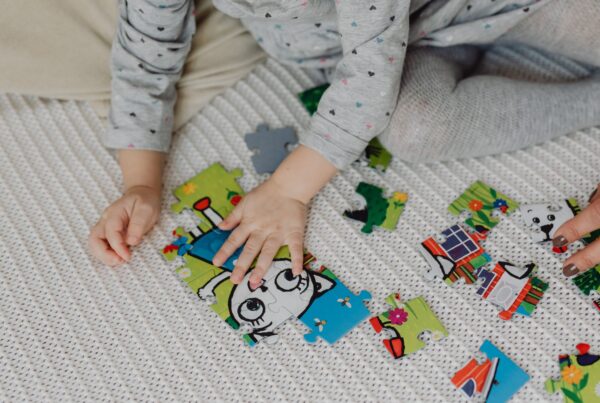
Children naturally process experiences through play. Developmental experts frequently describe play as the language of childhood because it allows children to express thoughts, feelings, fears, and experiences that may be difficult to put into words.
This is why play therapy is such an effective approach for many children.
 During play therapy, children use activities such as imaginative play, games, art, storytelling, and creative expression to explore emotions and build coping skills. To an outside observer, it may simply look like a child playing. However, trained child therapists are intentionally helping children develop emotional awareness, problem-solving abilities, self-regulation skills, and healthier ways of expressing themselves.
Research consistently supports the effectiveness of play therapy for a variety of childhood concerns, including anxiety, behavioral difficulties, trauma, grief, and adjustment challenges. Studies have found that children who participate in play-based therapeutic interventions often experience improvements in emotional regulation, communication, self-esteem, and overall functioning.
Perhaps most importantly, play therapy meets children where they are developmentally. Ratherthan expecting a child to communicate like an adult, it utilizes the methods of expression that come most naturally to them.
The Benefits of Early Support
One misconception many parents have is that therapy should only be considered when problems become severe. In reality, seeking support early is often one of the most beneficial things families can do.
Just as parents wouldn’t wait years to address a physical health concern, emotional and behavioral challenges often respond best when addressed early. Children are remarkably resilient, and early intervention can help them develop healthy coping skills before patterns of anxiety, avoidance, or emotional distress become more deeply established.
Therapy can help children:
- Understand and express their emotions more effectively
- Develop healthy coping skills
- Improve emotional regulation
- Build confidence and self-esteem
- Strengthen social skills and relationships
- Process difficult life events and transitions
- Reduce anxiety and stress
- Improve communication within the family
Therapy also provides support for parents. Many families find that counseling helps them better understand their child’s needs while providing practical strategies that can be used at home. Parenting is not meant to be done in isolation,and having professional guidance can often bring relief during challenging seasons.
Child Therapy in KC: Finding the Right Fit
When looking for child therapy in KC, experience and specialization matter. Working with children requires a unique understanding of development, family dynamics, emotional regulation, and therapeutic approaches designed specifically for younger clients.

At Heartland Therapy Connection, our team understands that every child has a unique personality, story, and set of strengths. Therapy is never about “fixing” a child. Instead, it is about helping children understand themselves, navigate challenges, and build the skills they need to thrive.
Amy Treadwell, MA, LPC, LCPC, brings more than adecade of experience working with children, adolescents, and families. Her holistic, trauma-informed approach recognizes that each child deserves care that honors their individual experiences, strengths, and needs. Amy incorporates evidence-based therapies, mindfulness, and play-based interventions to help children develop confidence, emotional awareness, and resilience.
Mary Kate also brings extensive experience supporting children and families through a wide range of emotional, behavioral, and developmental challenges. Together, our team works collaboratively with parents to create meaningful support that extends beyond the therapy room.
Trust Your Instincts
Parents often spend months wondering whether they should seek help for their child. They tell themselves that maybe it’s just a phase, that things will improve on their own, or that they should be able to handle it without outside support. Sometimes those concerns do resolve naturally. Other times, a child benefits tremendously from having a safe, supportive space to process what they’re experiencing.
If you’ve found yourself worried about your child’s emotions, behavior, relationships, or overall well-being, it’s okay to trust that instinct. Seeking therapy does not mean something is wrong with your child. It means you’re paying attention to their needs and exploring ways to support their growth. Children don’t always have the words to explain what they’re going through. Sometimes they need someone trained to help them make sense of those feelings and develop the tools to navigate them successfully.
And sometimes, that support can make all the difference. If you find your child is struggling and needs some additional support, reach out to Heartland Therapy Connection today to find the right therapist for your kiddo.