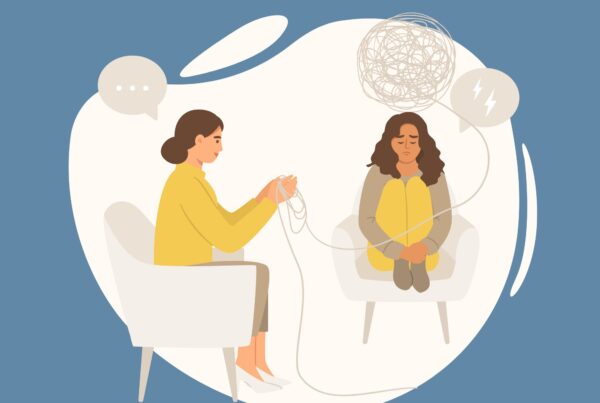
For many LGBTQ+ adults, the challenge isn’t discovering their identity—it’s learning how to live it openly, consistently, and relationally. You may have known how you fit into the queer world for years, yet still find yourself struggling with a quieter, more complex question: How do I stay connected to others without shrinking or explaining myself all the time?
This tension often shows up in relationships. Not always in dramatic ruptures, but in subtle, exhausting ways—monitoring what you share, bracing for misunderstanding, or feeling unseen even by people who care about you. These experiences are common topics in LGBTQ+ affirming therapy, especially for adults navigating long-standing relationships alongside an evolving sense of self.
When Acceptance Is Partial—or Conditional
One specific and deeply real challenge many queer individuals face is partial acceptance. This might look like family members who say they “support you” but avoid using your partner’s name, coworkers who are friendly but uncomfortable, or friends who accept one part of your identity while dismissing another.
Over time, this kind of conditional acceptance can lead to internal conflict. You may begin to wonder:
-
Am I asking for too much?
-
Should I just let this go to keep the peace?
-
Why do I feel guilty for wanting to be fully seen?
In therapy, these questions are often linked to internalized messages about worth, safety, and belonging. Even when rejection isn’t overt, the nervous system can stay on high alert, constantly scanning for signs of disapproval or threat.
The Emotional Cost of “Managing” Relationships
Another common struggle is relationship management fatigue. This isn’t just about conflict—it’s about the ongoing labor of educating, correcting, or softening yourself so others feel comfortable. Many LGBTQ+ adults describe feeling responsible for other people’s emotions around their identity.
This can lead to chronic anxiety, resentment, emotional numbness, or difficulty setting boundaries. In LGBTQ+ affirming therapy, clients often explore how these patterns developed and whether they are still serving them. What once helped you stay safe or connected may now be limiting your ability to feel authentic or emotionally regulated.
Identity Isn’t Static—and That Can Be Hard
Even when you’ve “known” your identity for a long time, it can continue to shift. Labels may evolve, needs may change, and the way you want to show up in the world may feel different than it did five or ten years ago. This can create friction in relationships that are used to an earlier version of you.
Therapy provides space to explore these changes without pressure to justify them. Rather than asking, Is this valid?, the work becomes, What do I need now—and how do I honor that while staying grounded in my values?
How Therapy Can Help with Queer-Specific Challenges
Working with a therapist trained in LGBTQ+ affirming therapy means you don’t have to start with explaining or defending who you are. Instead, therapy can focus on:
-
Navigating boundaries with family, friends, or partners
-
Processing grief related to unmet acceptance
-
Reducing anxiety linked to relational stress

-
Releasing internalized shame or self-doubt
-
Strengthening self-trust and emotional resilience
Approaches like relational therapy, parts-based work, and trauma-informed care are often especially helpful for queer clients. These modalities recognize that identity development happens within systems—and that distress often makes sense given lived experience.
You Deserve Relationships That Don’t Require Disappearing
If you find yourself minimizing your needs, second-guessing your reactions, or feeling emotionally exhausted by connection, it may be a sign that support could help. LGBTQ+ affirming therapy offers a space where your experiences are contextualized, not pathologized—and where growth doesn’t require self-erasure.
Seeking therapy isn’t about fixing your identity. It’s about strengthening your capacity to live it fully, with clarity, compassion, and support. You deserve relationships—and a life—that allow you to be present without performing, apologizing, or hiding.