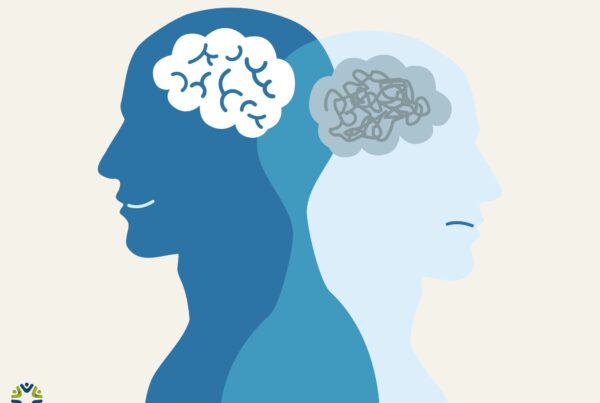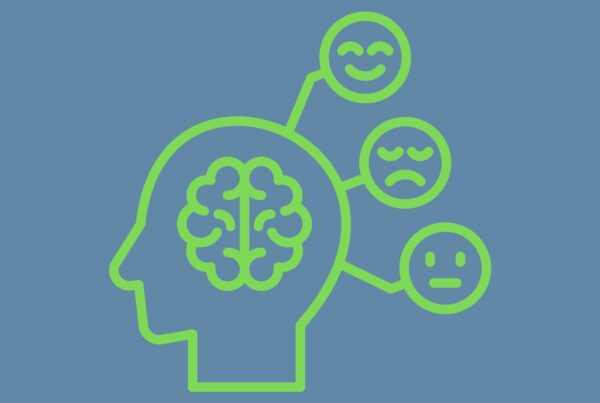
If you’ve ever felt an emotion so strongly that it was hard to think clearly, communicate what you needed, or make a decision you felt good about later, you already understand one of the problems that DBT therapy was designed to address. Dialectical Behavior Therapy, or DBT, is a structured, skills-based approach that helps people better understand their emotions, tolerate distress, communicate more effectively, and respond to difficult situations without feeling completely overwhelmed by them.
DBT is often associated with certain mental health diagnoses, but you do not have to fit neatly into a diagnosis to find DBT skills helpful. These tools can be useful for people dealing with anxiety, depression, relationship problems, intense emotions, trauma, impulsive behaviors, chronic stress, or simply feeling like their reactions sometimes get ahead of them.
At Heartland Therapy Connection, we use evidence-based approaches while recognizing that therapy is not one-size-fits-all. DBT therapy can be one part of treatment, depending on what you are experiencing andwhat you want to work on.
What Is DBT?
Dialectical Behavior Therapy was developed by psychologist Marsha Linehan. It was originally developed to help people experiencing significant emotional distress and suicidal behaviors, and it has since been adapted for a much wider range of concerns.
The word “dialectical” refers to holding two seemingly opposite ideas at the same time. One of the central ideas in DBT is that you can accept yourself and your current experience while also working toward change.
That might sound simple, but it can be surprisingly difficult in practice.
You can acknowledge, “I am really angry right now,” without deciding that your anger has to determine what you do next. You can recognize that something hurt you while also thinking about how you want to respond. You can accept that a relationship is difficult while still working on your communication.
DBT therapy gives people practical skills for doing exactly that.
Rather than focusing only on understanding why you feel a certain way, DBT also asks: What can you do with this feeling?
Who Can Benefit From DBT Therapy?
DBT is commonly used with people who experience intense or difficult-to-manage emotions, but its skills can apply to many different situations.
DBT may be helpful if you find yourself:
- Becoming overwhelmed by strong emotions
- Reacting quickly and regretting it later
- Struggling with impulsive behaviors
- Having frequent conflict in relationships
- Feeling like emotions are either completely shut down or extremely intense
- Having difficulty calming yourself once you are upset
- Experiencing anxiety, depression, or chronic stress
- Struggling with black-and-white thinking
- Having difficulty setting or maintaining boundaries

- Feeling disconnected from what you need until you reach a breaking point
DBT can also be particularly helpful for people who have tried simply “thinking their way out” of difficult emotions and found that it does not work very well.
Knowing that you are overreacting does not necessarily make it easier to stop reacting. Understanding that something should not bother you does not make the feeling disappear. DBT focuses on building the skills that help bridge that gap.
The Four Core Areas of DBT
DBT is often organized around four major skill areas: mindfulness, distress tolerance, emotion regulation, and interpersonal effectiveness.
These areas overlap, but each addresses a different part of emotional and relational life.
1. Mindfulness
Mindfulness is about paying attention to what is happening in the present moment without immediately judging it or trying to change it.
That does not mean sitting perfectly still and emptying your mind. It can be much more practical than that.
For example, you might notice:
“I am feeling embarrassed.”
“My chest is tight.”
“I keep replaying that conversation.”
“I want to send an angry text.”
That moment of noticing creates a little space between the experience and the reaction.
Try this today: When you notice yourself becoming emotionally activated, pause and name three things you are experiencing. One can be a thought, one can be an emotion, and one can be a physical sensation.
You do not have to fix any of them. Just notice them.
2. Distress Tolerance
Some situations cannot be solved immediately. Sometimes you have to get through a difficult conversation, a stressful workday, a breakup, uncertainty, or a wave of emotion before you can figure out what comes next.
Distress tolerance skills help you get through those moments without making the situation worse.
A simple DBT principle is to focus on what you can control right now, rather than demanding that the entire situation be resolved immediately.
You might:
- Take a brief break before responding
- Change your physical environment
- Use your senses to ground yourself
- Slow your breathing
- Call someone you trust
- Remind yourself that an emotion will change, even if it feels permanent
The goal is not to pretend everything is fine. It is to survive the moment without adding another problem to it.
3. Emotion Regulation
Emotion regulation does not mean getting rid of difficult emotions. Emotions are information, and they often have a reason for showing up.
Instead, emotion regulation helps you understand emotions, recognize what influences them, and respond to them more intentionally.
One helpful place to start is noticing patterns.
Do you tend to become more irritable when you are exhausted? Does anxiety become much harder to manage when you have not eaten? Do relationship conflicts escalate when you are already stressed from work?
Sometimes emotional regulation begins with recognizing that your nervous system has limits.
You can also practice identifying the emotion underneath your first reaction. Anger, for example, can sometimes be connected to hurt, fear, embarrassment, disappointment, or feeling rejected.
Putting a more specific name to an emotion can make it easier to understand what you actually need.
4. Interpersonal Effectiveness
Relationships are one of the places where emotional regulation gets tested the most.
 You may know exactly what you want to say to someone, but when the conversation starts, you become defensive, shut down, apologize for everything, or become much more intense than you intended.
DBT interpersonal effectiveness skills focus on communicating clearly while maintaining self-respect and considering the relationship.
That can include learning how to:
- Ask for what you need
- Say no without excessive guilt
- Set boundaries
- Listen without immediately becoming defensive
- Stay focused during difficult conversations
- Communicate assertively rather than aggressively or passively
These skills can be useful at home, at work, with family members, and in romantic relationships.
A DBT Skill You Can Use Today
One of the most useful things about DBT is that you do not have to wait until you are in therapy to start practicing some of its basic ideas.
Try the STOP skill the next time you feel yourself reacting quickly:
S: Stop. Don’t immediately act on the urge.
T: Take a step back. Give yourself a moment before responding.
O: Observe. What are you feeling? What are you thinking? What is happening in your body?
P: Proceed mindfully. Decide what response is most helpful rather than simply following the strongest emotion.
The goal is not to become emotionless or perfectly calm. The goal is to create enough space to choose your response.
That small pause can sometimes change the entire direction of an interaction.
DBT Is About More Than “Coping Skills”
It is easy to think of DBT as a collection of breathing exercises and coping strategies. Those skills can certainly be part of it, but DBT therapy goes deeper.
The larger goal is to help you build a life that feels more manageable and meaningful while learning how to navigate the difficult moments that inevitably come with it.
For some people, that means learning how to tolerate an uncomfortable emotion without acting impulsively. For someone else, it may mean developing healthier relationship patterns, communicating more clearly, or learning to recognize emotional patterns that have been happening for years.
DBT also recognizes something important: knowing a skill and being able to use it when you are overwhelmed are two different things.
That is one reason practicing these skills in therapy can be valuable. You are not simply learning what you should do. You are practicing how to access those skills when your emotions are already running high.
Is DBT Right for You?
You do not need to have a particular diagnosis to ask whether DBT might be helpful. A therapist can help you look at what you are experiencing, what patterns are getting in your way, and which therapeutic approaches make sense for your goals.
At Heartland Therapy Connection, we believe therapy should be individualized to the person, not built around a diagnosis or a single treatment model. DBT may be used on its own or alongside other approaches depending on your needs.
If you are looking for DBT therapy in Kansas City, starting with a conversation can be a good place to begin. You do not have to know exactly what type of therapy you need before reaching out. A therapist can help you make sense of what is happening and determine what kind of support fits your situation.
Sometimes therapy begins with understanding your patterns. Sometimes it begins with learning a skill you can use today. Often, it is both.