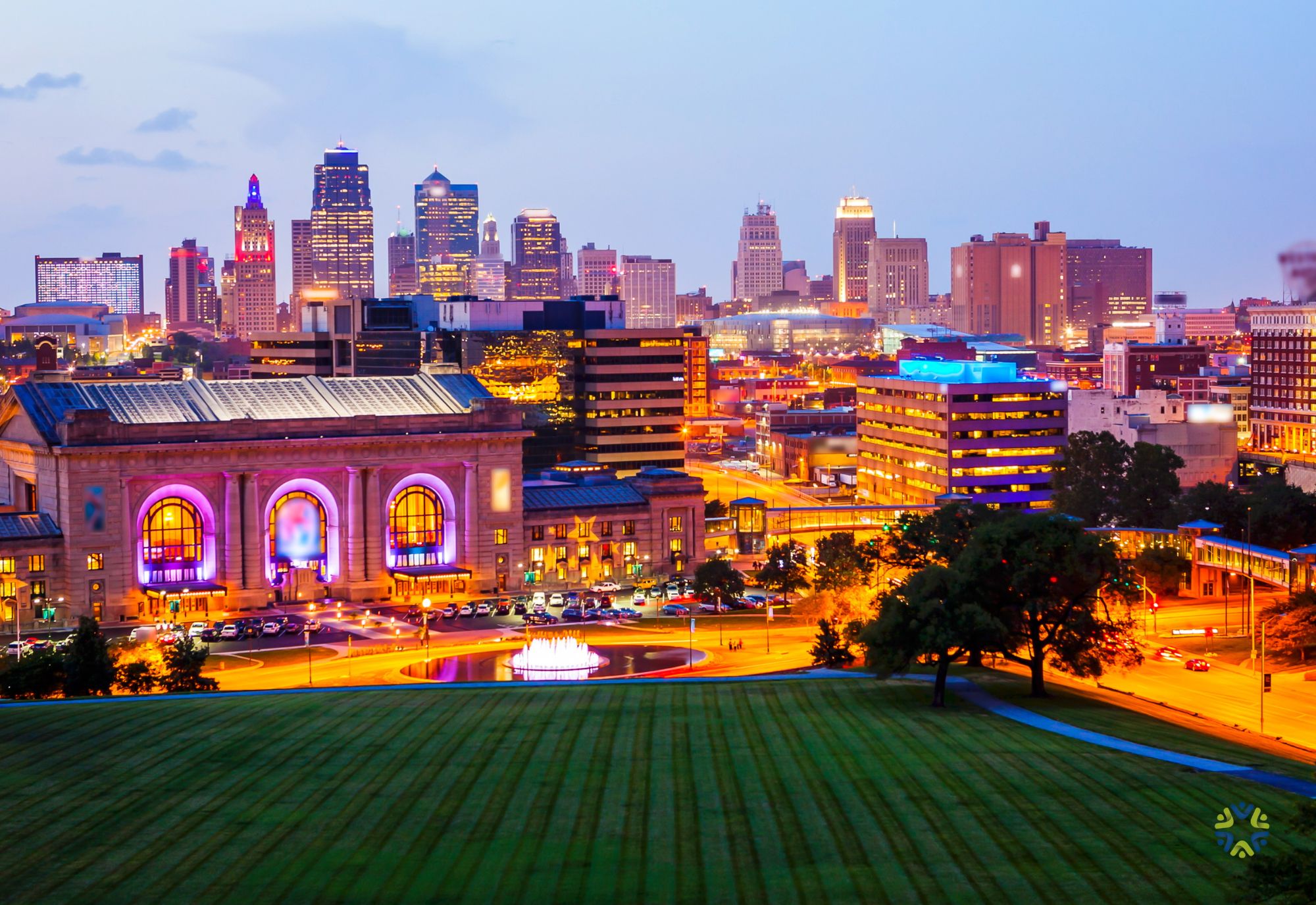
Kansas City has a lot to look forward to. As preparations continue for the FIFA World Cup in Kansas City, there is an understandable sense of excitement throughout the community. The city will be on a global stage, local businesses are preparing for visitors, and soccer fans are counting down the days until the tournament arrives. For many people, this event represents celebration, connection, and an opportunity to showcase everything that makes Kansas City special. At the same time, some people may notice feelings that are a little harder to explain. Maybe you’ve found yourself feeling anxious when you see news stories about large crowds. Maybe you’ve noticed a sense of uneasiness when thinking about attending events. Perhaps you’re excited about the FIFA World Cup in Kansas City but also feel nervous in a way that doesn’t quite make sense. If that’s you, you’re not alone.
As therapists, we often remind people that major community events do not happen in a vacuum. They occur within the context of our personal experiences, memories, and collective history. For many Kansas Citians, it is impossible to think about large public celebrations without remembering the Chiefs Super Bowl parade and the tragedy that occurred there. While the FIFA World Cup and the Chiefs parade are entirely different events, it is not unusual for one experience to bring up emotions connected to another. That does not mean something is wrong with you. In many ways, it is how our brains are designed to work.
Trauma Doesn’t Always Stay Attached to One Event
One of the biggest misconceptions about trauma is that it only affects people when they are directly reminded of the exact event that occurred. In reality, trauma often operates through associations. After a difficult experience, our brains become more atte ntive to anything that feels similar. Sometimes those similarities are obvious. Other times they are much more subtle. For example, someone may not consciously think about the Chiefs parade when they hear news about FIFA preparations. Instead, they might simply notice feeling more anxious than expected. They may find themselves paying closer attention to security measures, crowd sizes, traffic plans, or emergency procedures. They may feel uneasy without fully understanding why.
This happens because the brain is constantly scanning for patterns. It is trying to determine whether a current situation resembles something that previously felt threatening, overwhelming, or unsafe. Large crowds, public celebrations, increased media coverage, discussions about safety, road closures, and visible security measures are all normal aspects of hosting a major international event. They may also be the kinds of things that activate memories or emotions connected to past experiences. The brain is not necessarily making a conscious decision to worry. It is simply doing what it was designed to do: trying to protect you.
“Why Am I Feeling Anxious? Nothing Bad Is Happening.”
This is one of the most common questions people ask themselves when trauma-related responses begin to surface. They tell themselves they should be excited. They tell themselves they are overreacting. They remind themselves that there is no immediate danger and no reason to feel nervous. The challenge is that emotions do not always follow logic. You can intellectually know that everything is okay and still notice your body responding differently.
Some people may experience increased anxiety, irritability, difficulty sleeping, restlessness, or a vague sense of uncertainty that seems to come out of nowhere. Others may find themselves thinking through worst-case scenarios more often than usual or feeling uncomfortable in situations that never used to bother them. Some people may become more aware of exits in public places or feel uneasy about attending large events. These reactions can feel confusing, especially when there is no obvious trigger in front of them.
What is important to understand is that these reactions are not necessarily signs that something is wrong. They may simply be signs that your mind and body are remembering an experience that mattered. You also do not have to have been physically present at the parade to be affected by it. Many people experienced that day through news coverage, social media, conversations with friends and family, or the collective grief that followed. Community trauma has a way of extending beyond those who were directly involved.
Two Things Can Be True at the Same Time
One of the concepts we discuss often in therapy is that emotions are rarely either-or. Many people assume they must choose between feeling excited or feeling anxious. In reality, both can exist at the same time. You can be proud that Kansas City is hosting a global event and still feel uncertain about large gatherings. You can look forward to attending matches and still notice some nervousness. You can feel hopeful about the future while acknowledging that difficult things have happened in the past.
Allowing both emotions to exist often reduces the internal struggle people experience. When we tell ourselves we should only feel excited, we often end up fighting against our actual emotional experience. That battle can be exhausting. On the other hand, when we acknowledge that excitement and anxiety can coexist, we create space for both experiences without judging ourselves for either one. Rather than asking, “Why am I feeling this way?” it may be more helpful to ask, “What might this feeling be trying to tell me?” Sometimes the answer is simply that you have lived through experiences that mattered and your nervous system is responding accordingly.
A Few Ways to Manage Anxiety Around Large Events
If you’re noticing increased anxiety as conversations about the FIFA World Cup in Kansas City continue to grow, there are several strategies that may help. The first is simply naming what you’re feeling. Many people automatically label every uncomfortable emotion as anxiety, but often the experience is more nuanced than that. You may be feeling excitement, uncertainty, vulnerability, grief, sadness, anticipation, or concern. Taking a moment to identify what you’re actually experiencing can help create clarity and reduce overwhelm. Simply naming an emotion often decreases its intensity.
Another helpful strategy is staying grounded in the present. Trauma has a tendency to pull us into the past or push us into imagined futures. When anxiety increases, gently bring yourself back to what is happening right now. Ask yourself what evidence you have in this moment and whether you are responding to today’s reality or yesterday’s experience. This does not mean dismissing legitimate concerns. It simply helps separate current circumstances from past memories.
It can also be helpful to give yourself permission to make adjustments. You do not have to experience large events the same way everyone else does. Some people feel more comfortable attending with trusted friends or family members. Others prefer arriving early, identifying exits, or creating a plan for leaving if they begin to feel overwhelmed. Making adjustments does not mean you are weak or fearful. It means you are paying attention to your needs and responding thoughtfully.
Finally, consider your relationship with news and social media. There is a difference between staying informed and becoming overwhelmed. When people feel anxious, they often seek more information in an attempt to feel more certain. Unfortunately, consuming endless news stories, social media posts, and speculation can sometimes increase anxiety rather than reduce it. It is okay to stay informed while also creating healthy boundaries around how much information you are taking in.
Kansas City Has Also Been Healing
While it is important to acknowledge difficult experiences, it is equally important to recognize resilience. Kansas City can be defined by community, support, and healing. Neighbors showed up for one another. Organizations mobilized resources. People found ways to care for each other during difficult moments. There was grief, but there was also connection.
Healing does not mean forgetting what happened. It does not mean pretending painful experiences never occurred. Healing means learning how to carry those experiences without allowing them to define every future moment. As therapists, we often remind people that recovery is not about erasing difficult memories. It is about helping those memories take up a different amount of space in our lives. We can remember what happened, honor the impact it had, and still allow ourselves to move forward.
When Therapy Can Help
For some people, the emotions that arise around large events are temporary and manageable. For others, they may feel more persistent or disruptive. If anxiety is interfering with your daily life, causing you to avoid things you want to do, affecting your sleep, or creating ongoing distress, it may be worth talking with a mental health professional. Therapy can help you better understand your reactions, process difficult experiences, and develop tools for managing anxiety more effectively.
Approaches such as EMDR, Cognitive Behavioral Therapy (CBT), and trauma-focused therapy can be particularly helpful for individuals navigating the impact of traumatic experiences. Seeking support does not mean you are incapable of handling things on your own. It means you are giving yourself additional resources to move forward and care for yourself in a meaningful way.
Looking Ahead
The FIFA World Cup in Kansas City represents an exciting chapter for our city. It will bring energy, visitors, celebration, and opportunities to come together as a community. For some people, it may also bring up emotions connected to past experiences, including memories of the Chiefs parade tragedy. If that happens, know that you are not alone and that your reactions make sense.
Human beings are wired to remember experiences that mattered. Sometimes those memories show up in expected ways. Sometimes they surprise us. The goal is not to eliminate those feelings or judge yourself for having them. The goal is to notice them, understand them, and respond with compassion. As Kansas City prepares for the world to arrive, many of us will feel excitement. Some of us may also feel uncertainty. Both experiences can exist together. And both deserve space.