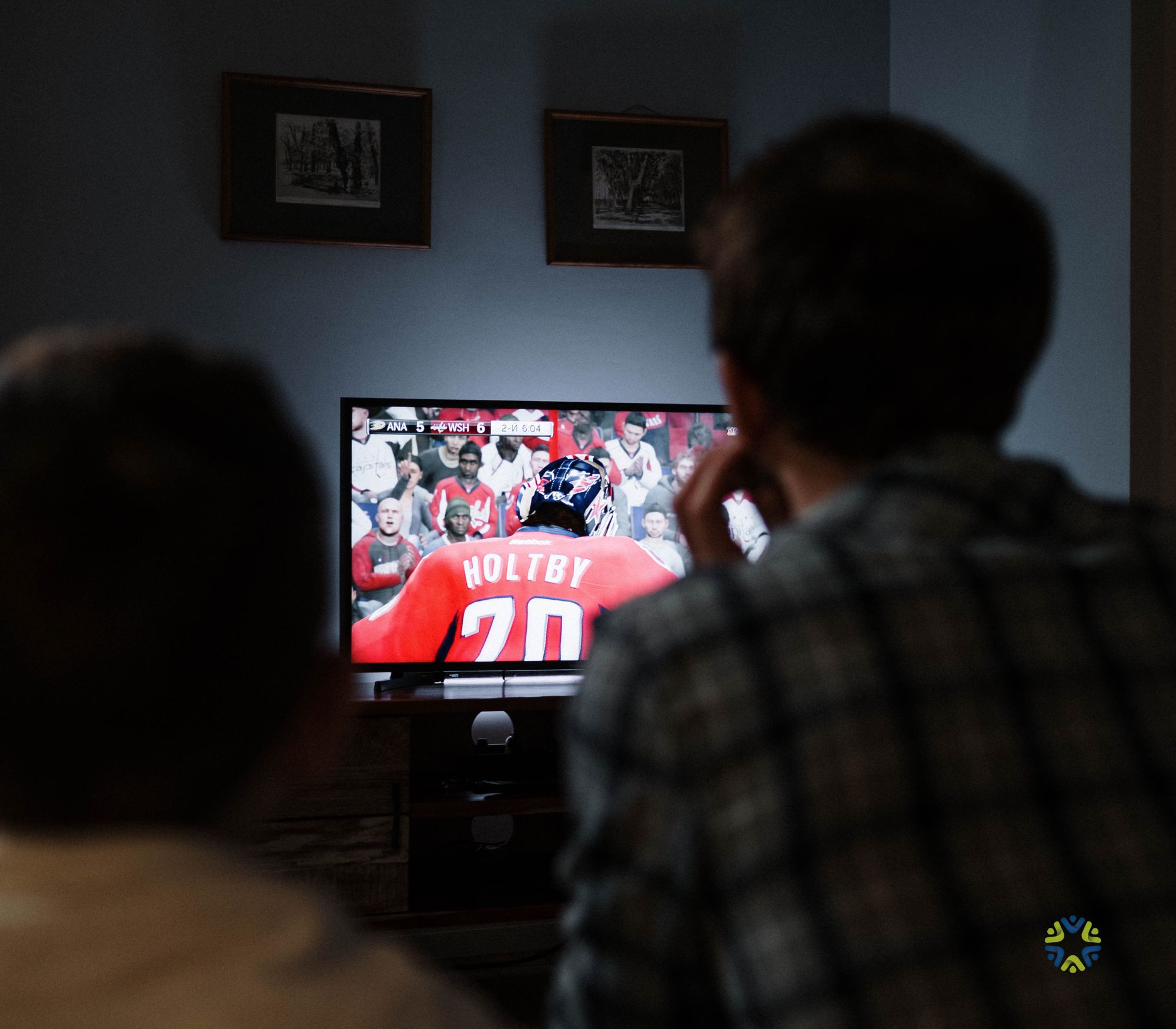
A few years ago, many people found themselves sitting alone on their couches watching games, concerts, and major events through a screen. The events still happened, but something felt different.
The excitement wasn’t quite the same.
The energy wasn’t quite the same.
The experience wasn’t quite the same.
It turns out there may be a reason for that.
As humans, we are wired for connection. We don’t just enjoy being around other people. Our brains and bodies often respond differently when we experience something meaningful alongside others. Whether it’s cheering for the Chiefs, watching a dramatic World Cup match, attending a concert, celebrating a graduation, or even participating in a community event, there is something uniquely powerful about sharing an emotional experience with other people.
At Heartland Therapy Connection, we spend a lot of time talking about relationships, connection, and emotional well-being. While therapy often focuses on individual growth, it’s important to remember that healing and mental health don’t happen in isolation. Sometimes one of the most beneficial things we can do is participate in experiences that remind us we are part of something larger than ourselves.
Why Shared Experiences Feel So Powerful
Think about the last time you watched a major sporting event with a crowd.
Maybe it was the Chiefs during a playoff run. Maybe it was the excitement surrounding the Stanley Cup playoffs. Maybe it was watching the Knicks make a deep postseason push after years of disappointment. For soccer fans, Kansas City is preparing to become one of the centers of attention during the upcoming World Cup, creating opportunities for thousands of people to gather and experience something together.
What’s interesting is that the game itself is only part of what people enjoy.
The score matters. The outcome matters. But often what people remember most is who they were with, the atmosphere in the room, the collective anticipation before a big moment, and the feeling that everyone was emotionally invested together.
Humans have always gathered around shared experiences. Long before modern sports existed, communities came togethe r for celebrations, ceremonies, storytelling, music, and rituals. Across cultures and throughout history, people have sought opportunities to experience joy, hope, excitement, grief, and meaning alongside others.
There appears to be something deeply human about synchronized emotional experiences.
Your Nervous System Likes Connection
Many people think of connection as a psychological need, but it also has a biological component. Our nervous systems are constantly scanning for cues of safety and belonging. When we are around people we trust and feel connected to, our bodies often respond differently than when we feel isolated or disconnected. This doesn’t mean every crowd is calming. Anyone who has attended a stressful event knows that’s not always true. However, when people gather around a positive shared experience, there can be a sense of emotional synchronization that feels energizing, comforting, and even regulating.
Think about what happens when an entire stadium erupts after a game-winning goal.
For a brief moment, thousands of strangers are sharing the same emotional experience. The excitement becomes contagious. Smiles spread. People high-five strangers they have never met. For a few seconds, social barriers often disappear. Experiences like these remind us that we are not alone. In a world where loneliness continues to be a growing concern, those moments matter.
We Were Never Meant to Do Life Alone
Many of the struggles people bring into therapy involve some form of disconnection.
Sometimes it’s disconnection from family.
Sometimes it’s disconnection from a partner.
Sometimes it’s disconnection from friends, community, or even from oneself.
Modern life offers incredible convenience, but it can also create isolation. We can work remotely, order groceries without leaving home, stream entertainment independently, and spend hours interacting with screens rather than people. While there are many benefits to these conveniences, they can sometimes reduce opportunities for meaningful collective experiences.
Humans tend to thrive when they feel connected to something beyond themselves. That might include:
- A family
- A friend group
- A faith community
- A volunteer organization
- A sports fan community
- A neighborhood
- A shared cause or mission
These connections provide more than entertainment. They help create identity, belonging, and purpose.
Sports Are About More Than Sports
People sometimes dismiss sports fandom as trivial. After all, why should we care so much about a game played by people we’ve never met? But from a psychological perspective, sports often provide something much deeper than entertainment. Sports create stories. They create shared hope. They create opportunities for collective celebration and collective disappointment. They give people a reason to gather, connect, and experience emotions together. When a city rallies around a team, something interesting happens. People who might otherwise have little in commonsuddenly share a common identity.
For a moment, differences become less important.
The accountant, teacher, nurse, mechanic, student, and retiree are all cheering for the same outcome.
That shared identity can foster a sense of belonging that many people crave. This is one reason major sporting events often feel emotionally significant even for people who are not die-hard fans. The experience becomes less about the game itself and more about participating in a larger community moment.
The Emotional Benefits of Belonging
One of the most powerful aspects of collective experiences is the feeling of belonging they create. Belonging is more than simply being around people. It is the feeling that you are part of something. That you matter. That you share experiences, values, or emotions with others. Research consistently shows that social connection is associated with better mental and physical health outcomes. People who feel connected often report greater resilience, lower levels of loneliness, and stronger overall well-being. That doesn’t mean attending a sporting event will solve anxiety or depression. But collective experiences can serve as reminders of something important: we are social beings.
We need connection.
We need community.
We need opportunities to feel part of something larger than our individual responsibilities and stressors.
Aliveness Matters More Than Optimization
One of the challenges of modern culture is that many of us spend significant amounts of time trying to optimize ourselves.
We optimize our schedules.
We optimize our productivity.
We optimize our workouts.
We optimize our habits.
While growth and self-improvement can be valuable, there is another human need that often gets overlooked: alivenes s. Aliveness isn’t about achieving more. It’s about feeling fully present in an experience. It’s the feeling of singing along to a favorite song with thousands of other people.
It’s celebrating a goal with a crowd.
It’s laughing with friends.
It’s sharing a meaningful moment that cannot be replicated through efficiency or productivity. These experiences remind us that life is not simply a series of tasks to complete. It is also meant to be experienced. Sometimes the most restorative moments are not the ones that make us more productive. They’re the ones that make us feel more alive.
Bringing More Connection Into Daily Life
Not everyone is a sports fan. Not everyone enjoys large crowds. That’s okay.
The lesson isn’t that everyone should attend a game.
The lesson is that connection matters.
Collective experiences can take many forms. They can be found in community events, volunteer opportunities, neighborhood gatherings, book clubs, religious services, group fitness classes, concerts, family traditions, or simply sharing meaningful time with people you care about. What matters is creating opportunities to experience life alongside others. At Heartland Therapy Connection, we often encourage clients to think about connection not as a luxury but as an important part of overall well-being. While individual coping skills are valuable, healthy relationships and community connections can also play an important role in emotional health.
The Power of Being Part of Something
As Kansas City prepares to welcome visitors from around the world for events like the World Cup, many people will experience something that goes far beyond sports. They will experience community. They will experience shared excitement. They will experience what happens when thousands of people come together around a common moment.
Those experiences may seem simple on the surface, but they tap into something deeply human.
We all want to feel connected. We all want to belong. We all want moments that remind us we are part of something larger than ourselves. Whether it’s a packed stadium, a neighborhood gathering, a family celebration, or a group of friends watching a game together, collective experiences have a unique ability to bring people closer, create meaningful memories, and support emotional well-being. In a world that can sometimes feel increasingly isolated, those moments of connection may be more important than ever.