If you’re here because you or someone you love is navigating Borderline Personality Disorder, we want you to know something right away: you’re not alone, and this is not a life sentence to chaos. Here in Kansas City, our therapists Morgan and Alex sit with clients every single day who are learning to understand their emotions, rebuild trust in their relationships, and feel more like themselves again. BPD can feel overwhelming from the inside and confusing from the outside, but with the right support, it is absolutely possible to build a calmer, more connected life.
Let’s talk about what BPD actually is, how it can show up day to day, what it might mean for a partner or loved one, and why therapy for BPD can be such a powerful turning point.
What BPD Actually Is
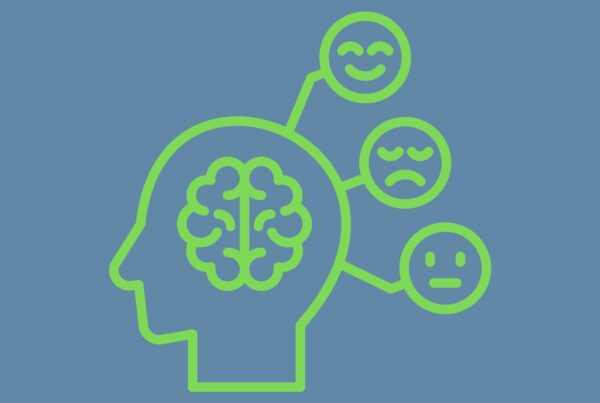
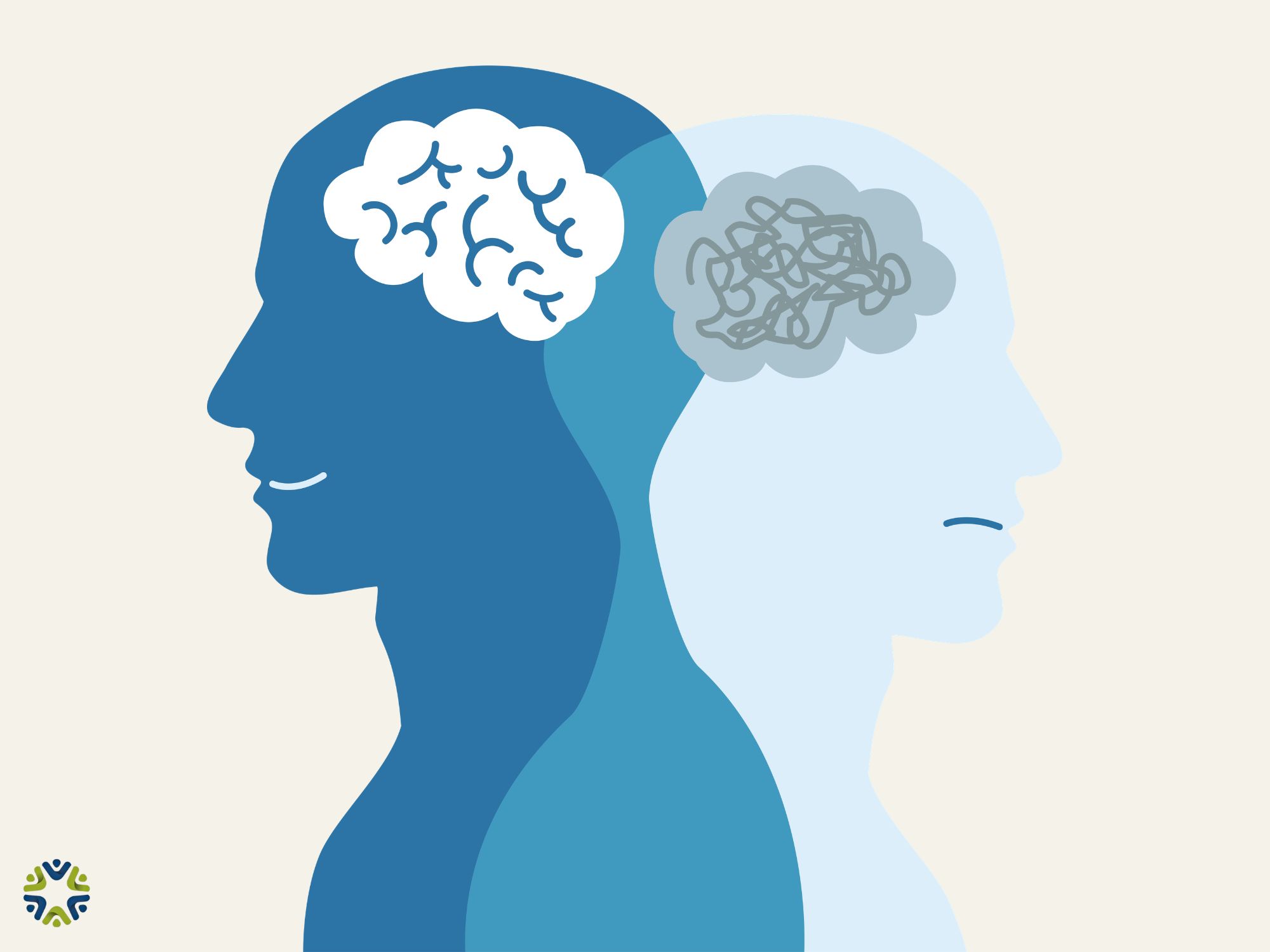
Borderline Personality Disorder is often misunderstood, and honestly, a lot of that comes from outdated stereotypes and stigma. At its core, BPD involves patterns of intense emotional experiences, a shifting sense of self, and difficulty maintaining stable relationships. People with BPD often feel emotions more intensely and for longer than others do — a small disappointment can feel like a devastating loss, and a moment of connection can feel euphoric.
This isn’t a character flaw. It’s a nervous system that reacts strongly, often shaped by a combination of genetics, temperament, and life experiences — sometimes including trauma, though not always. Many of our clients describe it as feeling like their emotional “volume knob” is turned up much higher than everyone else’s, without an easy way to turn it back down.
How BPD Might Show Up in Everyday Life
BPD doesn’t look the same for everyone, but there are some common threads our therapists see often:
- Emotional intensity that shifts quickly. Someone might feel fine in the morning, devastated by lunch, and okay again by evening — all in response to things that feel small from the outside but enormous on the inside.
- Fear of abandonment. A late text response or a canceled plan can trigger real panic, even when logically the person knows they’re not actually being left.
- Unstable sense of self. Goals, values, or even friend groups can shift dramatically depending on who someone is closest to at the time.
- Intense, unstable relationships. Relationships might swing between idealizing someone (“you’re the best thing that’s ever happened to me”) and feeling deeply hurt or angry with that same person, sometimes within the same week.
- Impulsivity. This can show up as spending, driving, eating, or other behaviors that offer quick relief fromunbearable emotional pain.
- Chronic feelings of emptiness. A persistent sense that something is missing, even when life looks fine from the outside.
If several of these resonate, please know: this is a pattern that can be understood and worked with. It doesn’t define your worth, and it doesn’t mean you’re “too much.” It means your nervous system needs some new tools, and that’s exactly what therapy for BPD is built to provide.
What It Can Mean for a Partner or Loved One
Loving someone with BPD can be its own emotional rollercoaster. Partners often tell us they feel like they’re walking on eggshells, unsure what might trigger a big reaction. They might feel blamed for things that seem to come out of nowhere, or exhausted from constantly trying to prove their commitment and love.
Here’s the important thing to remember: your loved one isn’t choosing to feel this way, and their pain is real, even when the reaction seems disproportionate to what triggered it. At the same time, your feelings matter too. Partners need support, boundaries, and their own space to process what it’s like to love someone whose emotional world moves so fast.
We often recommend that partners consider their own individual therapy or even couples work alongside their loved one’s care. Understanding BPD — really understanding it, not just reading about it online — can transform a relationship from a cycle of hurt and repair into a partnership built on genuine understanding. Many Kansas City couples we’ve worked with have found that once both people have language for what’s happening, the relationship starts to feel safer for everyone involved.
Why Therapy for BPD Works
Here’s the hopeful part, and it’s not just a nice thing to say — it’s backed by decades of research. BPD is one of the most treatable conditions in mental health when someone has access to the right kind of care. Therapy for BPD isn’t about “fixing” someone or suppressing their emotions. It’s about building a toolkit for managing intense feelings, strengthening relationships, and creating a life that feels worth showing up for.
At our practice, Morgan and Alex use evidence-based approaches, most notably Dialectical Behavior Therapy (DBT), which was specifically developed for BPD and remains one of the most effective treatments available. DBT teaches concrete skills in four areas: mindfulness (staying grounded in the present moment), distress tolerance (getting through crisis moments without making things worse), emotion regulation (understanding and working with intense feelings rather than being controlled by them), and interpersonal effectiveness (asking for what you need and setting boundaries without damaging relationships).
What we love about this work is watching it click for people. A client might come in convinced they’re destined to blow up every relationship they care about, and six months later, they’re pausing before reacting, naming what they’re feeling instead of acting on it immediately, and repairing conflict instead of spiraling from it. That’s not magic — that’s skill-building, practiced consistently with someone who understands what you’re going through.
Building a Plan That Fits Your Life
Every person who walks through our door gets an individualized plan, because no two people experience BPD the same way. Morg an and Alex take time to understand your specific patterns, your history, and your goals before mapping out a path forward. For some clients, that means weekly individual sessions focused on DBT skills. For others, it might include family or partner sessions to help loved ones understand and support the process. We meet you where you are, whether you’re just starting to wonder if BPD fits your experience or you’ve known your diagnosis for years and are ready for real change.
Therapy for BPD is also about more than symptom management. It’s about rediscovering who you are outside of the intensity — reconnecting with your values, your interests, and the version of yourself that’s been waiting underneath all that emotional noise. It’s about relationships that feel steady instead of terrifying. It’s about waking up and feeling like your own life belongs to you.
You Don’t Have to Navigate This Alone
If you’re in the Kansas City area and any of this feels familiar — whether you’re the one experiencing these patterns or you love someone who is — we want you to know that support is available, and it works. Therapy for BPD has helped so many of our clients move from crisis mode into a life with more stability, more genuine connection, and more hope.
Morgan and Alex would be honored to walk alongside you. Reach out to our practice to schedule a consultation, and let’s start building a plan that helps you feel more like yourself — one skill, one session, one step at a time.