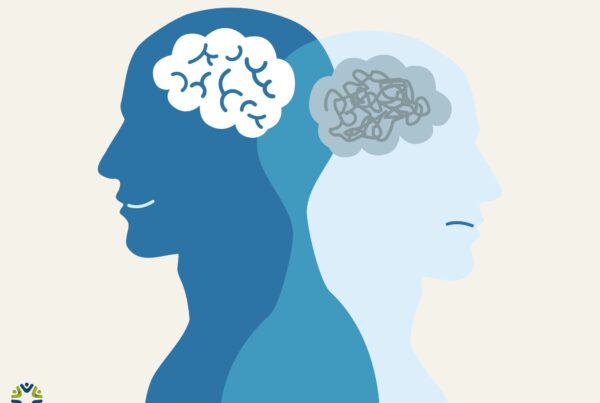
If you’re searching for therapy in Kansas City because emotions feel overwhelming, relationships feel intense, or you’re exhausted from trying to “hold it together,” you may have come across DBT therapy. Many people don’t start looking for a DBT therapist because things are mildly uncomfortable — they start looking because something feels unmanageable, confusing, or painfully stuck.
Dialectical Behavior Therapy (DBT) is an evidence-based approach designed to help people build real-life skills for emotional regulation, distress tolerance, and healthier relationships. It’s structured, practical, and deeply validating — which is one reason DBT has become a cornerstone of effective Kansas City therapy for adults navigating emotional overwhelm.
What Is DBT Therapy, Really?
DBT was developed by psychologist Marsha Linehan to support individuals experiencing intense emotions and chronic emotional distress. At its foundation is a simple but powerful idea: two things can be true at the same time. You can be doing the best you can and still need support and new tools.
A DBT therapist works from both acceptance and change. That means your emotions are taken seriously — not minimized or judged — while also helping you learn skills to respond differently when those emotions feel like too much.
Unlike some therapy models that are mostly insight-based, DBT focuses on what happens between sessions. The goal isn’t just understandin g your patterns, but changing how you cope with them in daily life.
Who DBT Helps — And Why It’s So Effective
DBT is best known for treating borderline personality disorder, and decades of research show it significantly reduces self-harm, suicidal thoughts, and emotional reactivity for people with that diagnosis. But DBT’s effectiveness extends far beyond one label.
Research supports DBT as an effective treatment for people experiencing:
-
Intense or rapidly shifting emotions
-
Chronic anxiety or panic
-
Depression that hasn’t improved with other therapies
-
Relationship instability or fear of abandonment
-
Impulsive behaviors, including substance use
-
High self-criticism or shame
-
Difficulty managing anger or stress
You don’t need a specific diagnosis to benefit from DBT. Many people seeking a Kansas City therapist discover DBT because they feel emotionally flooded, burned out, or stuck in cycles they can’t seem to break.
What the Research Tells Us
DBT is one of the most well-researched therapy models available. Studies consistently show that DBT helps people:
-
Reduce self-harm and suicidal behaviors
-
Improve emotional regulation and resilience
-
Decrease hospitalizations and crisis-level distress
-
Build stronger interpersonal skills
-
Increase overall quality of life
This research-backed foundation is why DBT is often recommended when other approaches haven’t provided enough relief. Working with a trained DBT therapist means you’re engaging in a model that has measurable, proven outcomes — not just good intentions.
What DBT Therapy Looks Like in Practice
A comprehensive DBT approach typically includes both individual therapy and skills training. In individual sessions, your therapist helps you apply DBT skills to your real-life challenges — relationships, work stress, emotional triggers, or moments when coping feels impossible.
Skills training focuses on four core areas:
-
Mindfulness — learning to stay present without judgment

-
Distress Tolerance — surviving hard moments without making things worse
-
Emotion Regulation — understanding and influencing intense emotions
-
Interpersonal Effectiveness — setting boundaries and communicating clearly
Many people appreciate that DBT doesn’t ask you to “just calm down” or “think positive.” It teaches how — step by step.
Is DBT Right for You?
If you’re searching for Kansas City therapy because you feel emotionally exhausted, overwhelmed, or disconnected from yourself or others, DBT may be a supportive next step. You might benefit from DBT if you want practical tools, clear structure, and a therapist who balances compassion with accountability.
Choosing a DBT therapist in Kansas City means choosing an approach that respects your pain while helping you build a life that feels more stable and sustainable.
A Final Word
Reaching out for therapy doesn’t mean you’ve failed — it means you’re paying attention. DBT offers a path forward for people who are tired of surviving and ready to feel more grounded, capable, and connected. With the right support, meaningful change is possible — and it often starts with one conversation.