By Jack Sweeney
One of my favorite metaphors to use with clients in sessions is Spoon Theory. Originally developed by Christine Miserandino in 2003 to describe her experience living with chronic illness, Spoon Theory provides the language for what life is like for those with limited or depleted energy reserves. For my clients experiencing chronic pain, chronic illness, depression, neurodivergence, anxiety, or burnout, Spoon Theory can be profoundly validating of their lived experiences, as well as a framework for moving through life with more empathy and grace.
What is Spoon Theory?
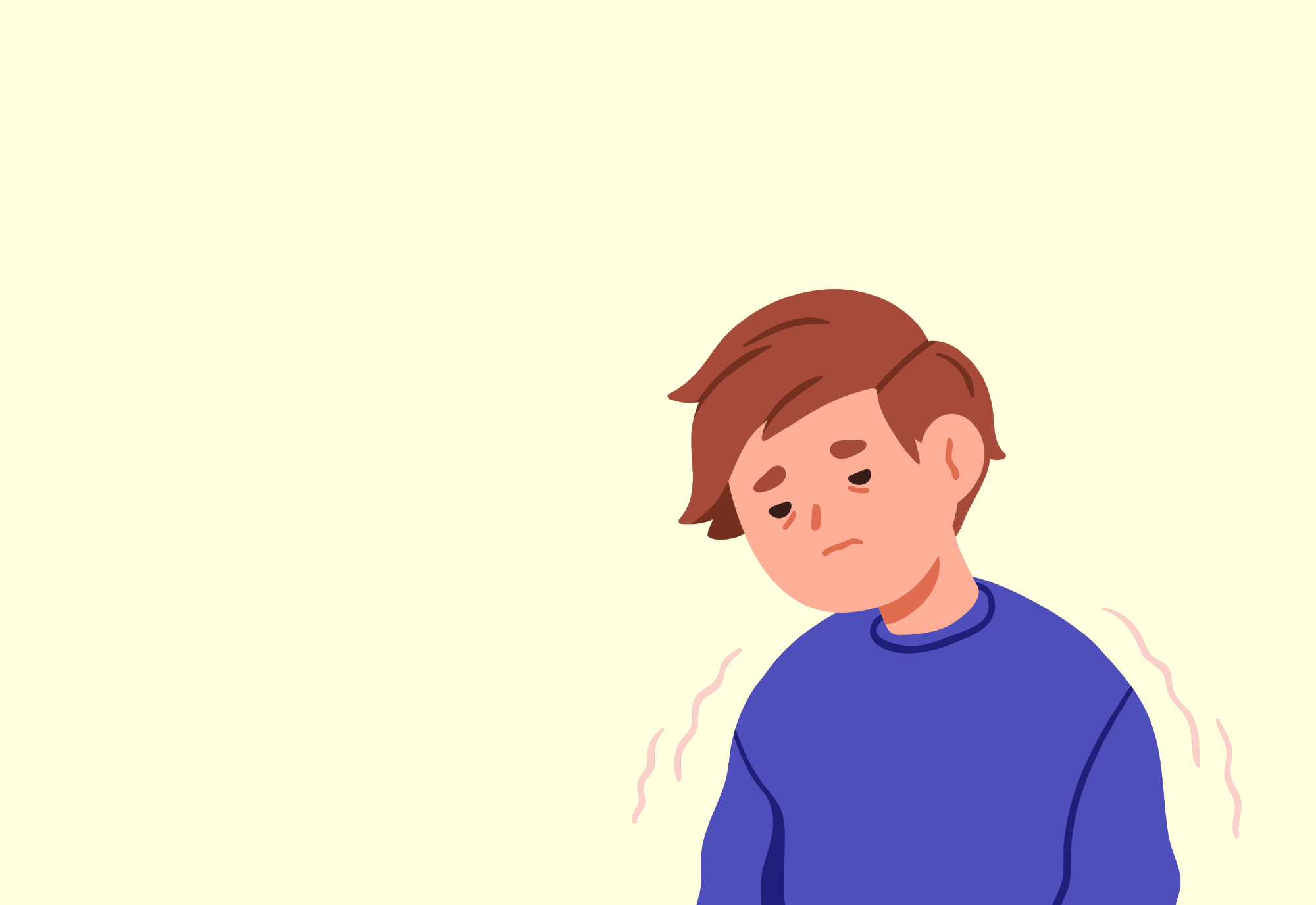
For those of us with chronic and/or mental health conditions, it can be profoundly hard to understand how some people can just go through their lives without seemingly any difficulty. Tasks that take enormous effort for us to complete, others do with ease, and seeing this play out on a daily basis can leave us feeling that something is wrong or missing with us. It can feel incredibly isolating when others question why we aren’t able to accomplish the tasks that they can, leaving us feeling like we just aren’t trying hard enough.
Spoon Theory acknowledges that people with chronic and/or mental health conditions only have so much energy in a given day due to the added barriers of our experiences. While some people might have a seemingly unlimited reserve of energy to draw from when completing daily tasks like getting up in the morning, brushing their teeth, going to work, and maintaining an active social life, others draw from a limited supply of energy to do those same tasks.
In her original essay, Miserandino quantifies units of energy using spoons. We begin each day with a certain amount of spoons to use, and each task might cost one or more spoons. Some days we might start with 12 spoons and some days we might start with two, or even none at all. Similarly, an activity that costs one spoon for one person might cost five for another. Here’s an example of spoon costs that might come up in a given day:
- Taking a shower: 2 spoons
- Driving to work: 1 spoon
- Being present in an important meeting: 4 spoons
- Cooking a meal: 3 spoons
- Social interaction: 4 spoons
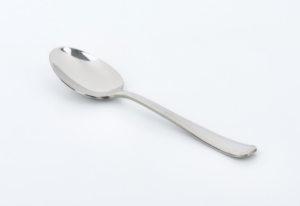 For some, these spoon costs add up fast, and it becomes important to manage what actions to take to conserve energy. Once your spoons are gone, your energy is completely depleted for the day. But sometimes conserving spoons is impossible; the demands of life require more spoons than we have left. When this happens, we have to “borrow” spoons from the next day, meaning we wake up the following morning with a lower energy store. It’s clear to see how, over time, our energy continues to drain away, leaving us with little to nothing left to give. The same activities we could once do with ease now feel completely out of reach. It’s not that you don’t want to do these things; it’s that you physically don’t have any more capacity for that task.
Part of why I love Spoon Theory so much is that it deeply resonates with so many people. As is often the case with chronic and/or mental health conditions, our struggles are invisible. You can’t see pain, fatigue, brain fog, or executive dysfunction, which makes understanding or accommodation challenging, but Spoon Theory provides the language to describe the effect these things have on our experiences. We can use this language to better communicate our needs with ourselves and with others, and in this way, provides tools for boundary-setting, self-compassion, and planning. Spoon Theory validates and allows empathy for what many people feel but have difficulty articulating without judgment: “I want to do this, but I just can’t.” You’re not lazy, you’re out of spoons, and now have to shift towards choices that preserve what energy you have left or are replenishing in some way.
What To Do When You’re Low or Out of Spoons
When we run low or out of spoons, we can feel it, even if we don’t notice it as it’s happening. When you’re entering into an over-taxed state where you’ve reached your limit, the goal becomes to pivot towards “bare minimum mode.” Ask yourself what is absolutely essential for you to accomplish today and prioritize those things, making accommodations as necessary. For example, this might mean ordering delivery instead of cooking food yourself, or relying on meals prepped in advance.
An important part of “bare minimum mode” is assessing what our basic needs and obligations are for the day and letting go of everything else without guilt. Accept that what feels out of reach is beyond your capacity for the day. Don’t try “pushing through.” We already hear that phrase enough, and we know it doesn’t work, at least in the long term. Pushing through or sitting with the shame of what you have “failed” to do will likely cost you even more spoons, and right now the goal is doing what we can to preserve our energy while caring for ourselves.
When possible, try to prioritize nervous system regulation and spoon replenishment. Spoon Theory provides the language to normalize our experience, but it also provides the framework for growth. We can gain spoons back or increase our reserve for the next day, but it requires intentional planning. Employing accessible grounding techniques such as deeper breathing, using a weighted blanket, or doing whatever else you find regulating for your nervous system helps begin to refill your spoons. Support replenishment through hydration, nutrition, gentle movement, or meaningful rest and decompression. And above all, give yourself grace and appreciation for the work you are doing. Prioritizing yourself takes effort, masking to appear “normal” takes up a lot of energy, and continuing to show up as you do takes real strength.
You are more than your output. You are not broken, or lazy, or a failure. You are simply living in a body and mind that asks more of you, and you’re showing up anyway.
If you’re looking to learn more about your spoons or come up with a plan to live the life you want, working with a therapist that understands your unique needs can help. We at Heartland Therapy Connection would be honored to work alongside you.