Life can feel overwhelming sometimes. Big emotions, intense reactions, and ongoing stress can make it hard to navigate everyday relationships and responsibilities. If you’ve been feeling “stuck” in cycles of emotion, behavior, or thought patterns, you might wonder if there’s a therapy that could help — and that’s where DBT comes in.
At our practice, many of our therapists utilize DBT to help clients build skills for managing emotions, improving relationships, and living more fully. But what exactly is DBT, and how do you know if it might be right for you?

What DBT Is
DBT stands for Dialectical Behavior Therapy. It was originally developed to help people with intense emotions and self-destructive behaviors, but today, it’s used for a wide range of challenges, including anxiety, depression, PTSD, and difficulties with emotional regulation.
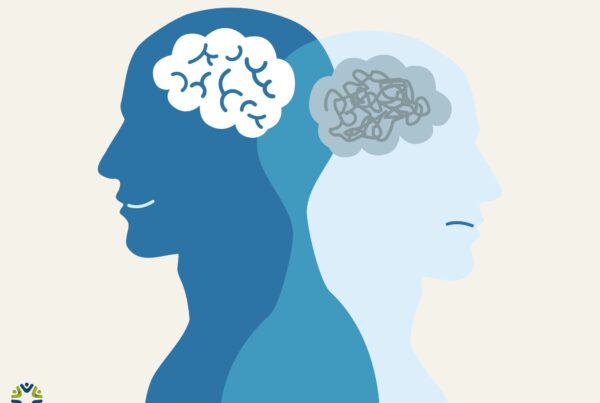
The word “dialectical” might sound intimidating, but it simply means balancing two truths at the same time. In DBT, that balance is often between acceptance and change — learning to accept your current feelings and experiences while also working toward healthy changes in behavior and thought patterns.
DBT combines individual therapy, group skills training, and coaching to help people navigate life more effectively. It’s a structured, evidence-based approach that teaches practical skills for managing emotions and relationships.
Signs DBT Could Help
Not everyone needs DBT, but certain patterns or struggles may suggest it could be particularly useful. You might benefit from DBT if you notice:
- Intense, rapidly changing emotions that feel overwhelming
- Difficulty controlling impulses, like anger, spending, or risky behavior
- Frequent conflicts or instability in relationships
- Self-harm behaviors or thoughts
- Chronic feelings of emptiness, hopelessness, or anxiety
- Trouble coping with stress or change
If any of these resonate, you’re not alone. These experiences are common for people struggling with emotional dysregulation — and they are treatable with the right support.
How DBT Works
DBT focuses on four main skill areas:
- Mindfulness – Learning to be present, notice thoughts and feelings without judgment, and develop awareness of what’s happening in the moment.
- Distress Tolerance – Building tools to survive crises without making things worse or acting on destructive impulses.
- Emotion Regulation – Understanding and managing emotions instead of being overwhelmed by them.
- Interpersonal Effectiveness – Developing skills to communicate needs, set boundaries, and maintain healthier relationships.
These skills are practical and actionable. People often start to notice improvements in daily life — feeling more grounded in stressful situations, reacting less impulsively, and communicating more effectively with others.
What Symptoms or Struggles DBT Addresses
DBT is often used for people dealing with symptoms that interfere with daily life. These can include:
- Anxiety or panic attacks
- Persistent sadness or depression
- Anger outbursts

- Self-criticism or negative thought loops
- Impulsivity that leads to regrets
- Strained relationships or difficulty asserting boundaries
By combining skill-building with therapeutic support, DBT helps people reduce these symptoms and build more confidence in handling life’s challenges.
Why DBT Can Be Effective
One of the reasons DBT is so effective is its dual focus on acceptance and change. Many therapies emphasize changing behaviors but neglect the importance of validation and self-compassion. DBT acknowledges where you are right now — validating your experiences and struggles — while also giving you concrete tools to create meaningful change.
At Heartland Therapy Connection, our therapists tailor DBT to each person’s unique situation. No two people approach therapy the same way, and DBT’s flexibility allows it to address a wide variety of challenges while maintaining a structured approach.
Taking the Next Step
If you’ve been struggling with intense emotions, impulsivity, or relational challenges, DBT may be a helpful option. Our Kansas City therapists can work with you to explore how DBT skills can support your growth, reduce distress, and improve your ability to navigate life’s ups and downs.
Therapy is a journey — one that involves learning, growth, and sometimes hard work — but with the right support, change is possible. DBT is a tool that helps people not just survive, but thrive.