
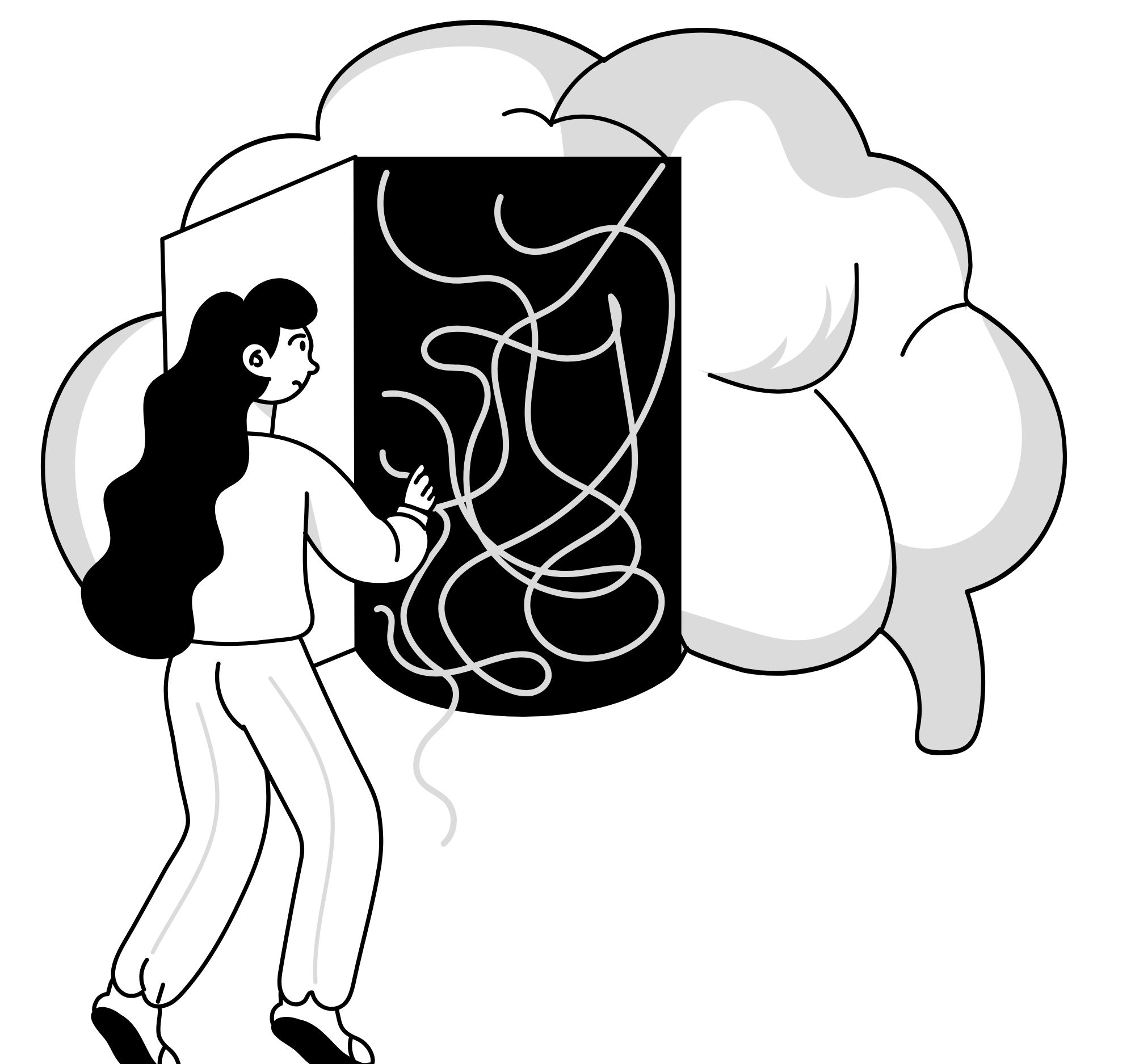
If you’ve spent most of your life feeling like you’re working twice as hard to keep up—or constantly apologizing for things you didn’t even realize were happening—it’s possible that something deeper is going on. For many adults, especially those not diagnosed in childhood, the signs and symptoms of adult ADHD don’t show up the way they’re typically portrayed. They’re not always loud or obvious. In fact, they’re often quiet, internal, and deeply personal.
Adult ADHD symptoms can be hard to recognize—especially when they’ve been masked by years of overcompensation, anxiety, or self-blame. But understanding what these symptoms look like in everyday life can be a first step toward clarity, self-compassion, and support.
What ADHD Can Look Like in Adults

It Can be Hard to Shift Gears
When we think about ADHD, many people picture hyperactivity or a short attention span. But the truth is more nuanced. ADHD is a neurodevelopmental condition that affects how the brain manages attention, motivation, memory, and regulation—of time, tasks, and emotions.
In adults, this often shows up in ways that are easy to mislabel:
- You’re always “busy,” but nothing gets finished. You start multiple tasks but rarely complete them. You might jump from project to project, not out of carelessness, but because your attention shifts before you realize it.
- Time feels slippery. You either rush last-minute or spend hours hyper-focused on something minor. You may regularly underestimate how long things will take or forget what time it is until it’s too late.
- Organization is exhausting. Managing schedules, bills, laundry, and email can feel like juggling with one hand tied behind your back. Even simple routines can be hard to keep up with consistently.
- You feel emotionally sensitive or reactive. Small frustrations may lead to big emotional responses, and you might struggle to recover from moments of embarrassment, rejection, or conflict.
- Your thoughts race, even when you’re still. Internally, there’s often a sense of restlessness—your brain is rarely quiet, and it can be hard to shift gears or slow down.
These aren’t just quirks or bad habits. They’re common adult ADHD symptoms, and they often lead to a deeper emotional toll: guilt, shame, low self-esteem, and a constant feeling of being “behind.”
Why It Often Gets Missed
Many adults with ADHD grew up without a diagnosis—especially if they did well in school, weren’t disruptive, or developed coping mechanisms early on. Often, people are first evaluated for ADHD only after struggling with burnout, anxiety, relationship stress, or career difficulties.
There’s also a strong overlap between ADHD and other mental health conditions, like depression or anxiety, which can lead to misdiagnosis. While these conditions can co-exist, ADHD often flies under the radar because its symptoms can be internal, inconsistent, or masked by effort.
What Diagnosis Isn’t—and What It Can Be
Find Strategies that Work with Your Brain
Getting clarity around adult ADHD symptoms doesn’t mean putting yourself in a box. A diagnosis isn’t about labeling—it’s about understanding. It can be a way to reframe years of self-criticism through a more compassionate lens.
Instead of, “Why can’t I just do this?”
You might begin to ask, “What kind of support does my brain actually need?”
Therapy can be a space where that shift begins. We explore patterns, notice how ADHD has shaped your life, and find strategies that work with your brain—not against it.
Moving Toward Support
If you recognize yourself in these symptoms, you’re not alone—and you’re not imagining things. Adult ADHD symptoms can affect every part of life, from everyday tasks to how you see yourself. But understanding how your brain works is a powerful first step. It can open the door to self-awareness, new skills, and real change.
Maybe you’ve tried therapy before, but ADHD wasn’t part of the conversation—or the strategies didn’t quite stick. That’s more common than you might think. Many people with ADHD have spent years trying to use systems that weren’t built for the way their brain naturally operates.
In therapy that’s informed by ADHD, we do things differently. At Heartland Therapy Connection, our team of therapists will help you build the tools that make sense for you. Not one-size-fits-all solutions, but approaches that work with your strengths and challenges.
Whether you’ve been diagnosed or are just starting to ask questions, there’s space here for exploration and support. Learning how to live with ADHD as an adult isn’t about “fixing” yourself—it’s about understanding your brain and finding better ways to live in rhythm with it.


